Why Curtain Wall Systems Are the Gold Standard for Commercial High-Rises
Why Curtain Wall Systems Are the Gold Standard for Commercial High-Rises
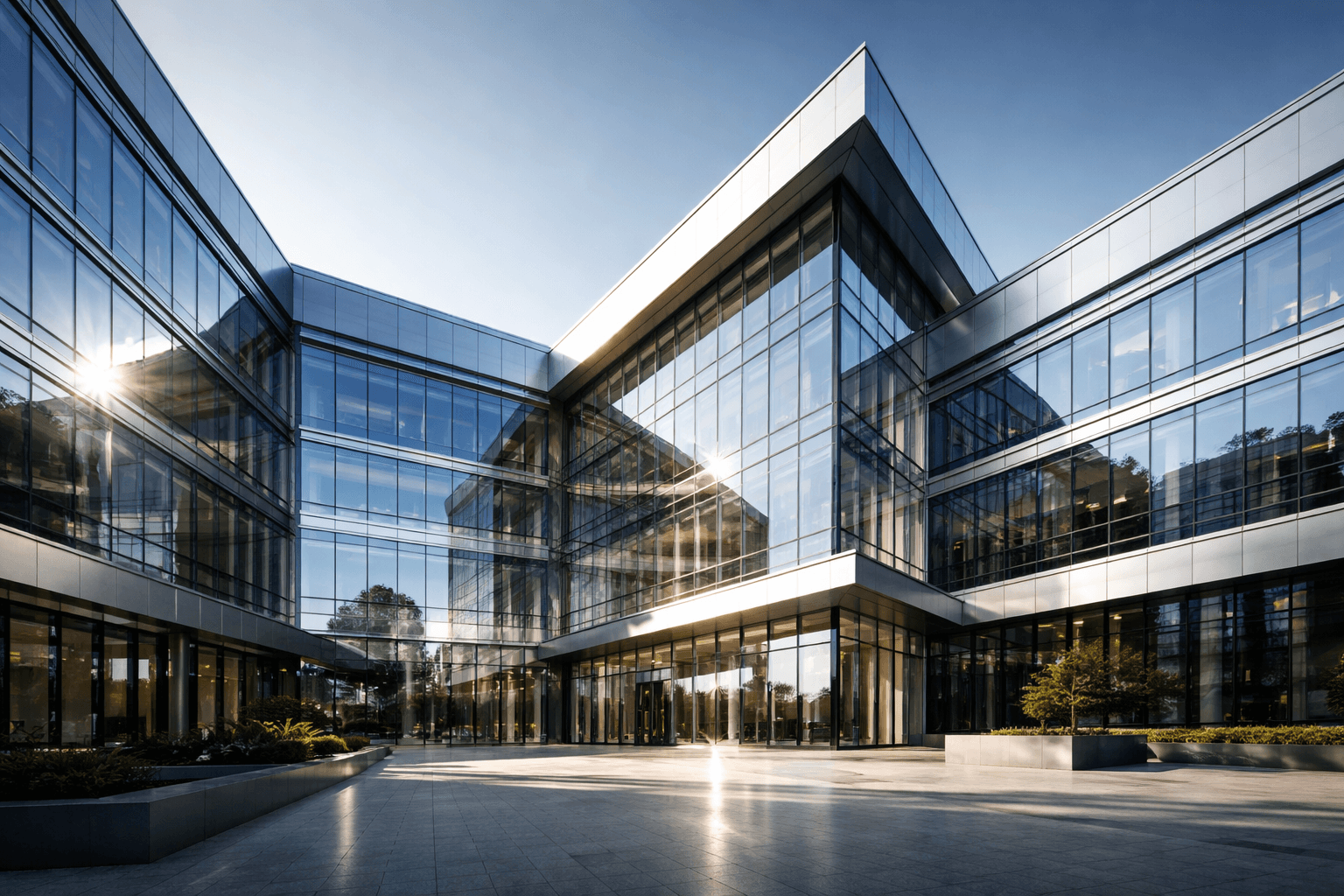
Walk past any modern commercial tower and you're almost certainly looking at a curtain wall system. Unlike traditional load-bearing facades, a curtain wall hangs from the building's structural frame like a curtain — hence the name — transferring wind loads and self-weight directly to the slab or column.
Types of Curtain Wall Systems
Stick System
Individual aluminium mullions and transoms are assembled on-site, with glass or opaque infill panels inserted afterward. Stick systems are the most economical option and offer excellent flexibility for complex geometries.
Unitised System
Factory-assembled floor-height units are craned into position and interlocked on-site. The controlled manufacturing environment delivers superior quality and dramatically faster installation — critical on tight construction programmes.
Semi-Unitised System
A hybrid where vertical mullions are pre-assembled in the factory while transoms and infill are installed on-site. This offers a balance of cost and speed.
Thermal Performance
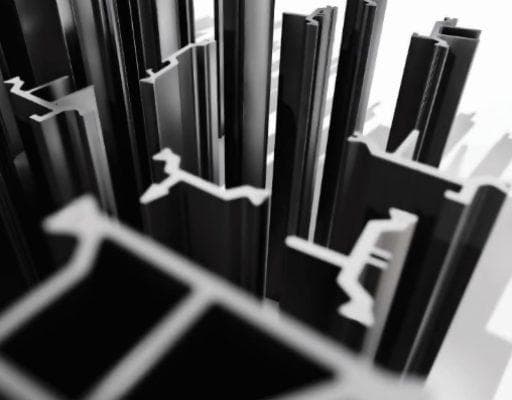
Modern curtain wall profiles incorporate polyamide thermal breaks that interrupt the aluminium's conductive path, reducing heat transfer by up to 70%. Combined with triple-glazed or warm-edge-spacer units, today's systems routinely achieve U-values below 1.0 W/m²K.
Acoustic Performance
The decoupled nature of curtain wall construction — glass supported in a resilient gasket within the aluminium frame — provides inherent acoustic attenuation. Laminated glass and acoustic interlayers can push Rw values above 45 dB for facades facing busy roads or flight paths.
Structural Wind Design
Curtain walls must resist positive and negative wind pressures calculated from site-specific wind studies. The anchorage to the structural frame must accommodate:
Sunwin's Curtain Wall Capability
From concept engineering to pressure testing and final installation, Sunwin Facade Building Solutions manages the entire curtain wall lifecycle. Our projects span corporate headquarters, hospitality towers, and mixed-use developments, with systems tested to BS EN 13830 and AAMA 501.
Contact us today to discuss your next high-rise facade project.
5 Key Factors That Determine the Lifespan of Your Building Facade
A facade is one of the most significant investments in any building project. Understanding what affects longevity — from material selection to maintenance regimes — can save owners millions over a building's lifetime.

Aluminium Composite Panels: A Complete Guide for Architects & Builders
ACP cladding is one of the most versatile facade materials available today. This guide covers panel types, fire ratings, installation best practices, and how to choose the right system for your project.
The Future of Glass Facades: Trends Shaping Modern Architecture
From dynamic solar-control glazing to self-cleaning coatings, explore the innovations transforming glass facade systems and why they matter for sustainable urban development.